Afropunk Assassins at the End of Spacetime.
An immersive graphic world exploring identity, consciousness, love, quantum possibility, ancient mystery, and the strange work of becoming yourself.

It started as a story. Then the story started talking back.
Ancient Futures grew from late-night drives through Chicago, a conflicted alter ego named Valentino Cruz, and a question that kept getting bigger: what if the worlds we imagine can help us understand the one we’re living in?
A graphic novel universe
Dark noir, Afropunk, quantum physics, ancient mysticism, love, conflict, and the beauty of chaos.
A mirror for identity
Characters became archetypes; narrative conflict became a way to externalize paradox, shadow, ego, and possibility.
A contemplative world
Story, imagery, oracle practice, and imaginative inquiry evolved into a living system for reflection and transformation.
Driving Chicago became a kind of movement meditation.
The project’s contemplative sensibility was present before there was a framework for naming it. Solitude, movement, sensory immersion, and imagination became conditions in which symbols and characters could surface.


The characters were never only characters.
Valentino’s world gradually revealed an archetypal structure: Self, Shadow, Anima, Ego, Innocence, and the disruptive teacher. The fiction became a symbolic map for making visible parts of the psyche that are difficult to confront directly.
In the artist statement, the project is described as a way of externalizing a personal journey — reframing paradox, conflict, and shame into new worlds of growth and wonder.
A universe where consciousness, identity, and reality are all in motion.
All is Self
A nondual orientation in which apparent others can also be encountered as differentiated facets of a deeper whole.
Archetypal Psyche
Jungian patterns organize the narrative as mirrors of shadow, ego, innocence, relation, revelation, and integration.
Branching Reality
Many-worlds, emergent spacetime, and postmaterialist speculation become mythic material for thinking about choice and possibility.
Six figures. Six ways the Self talks to itself.
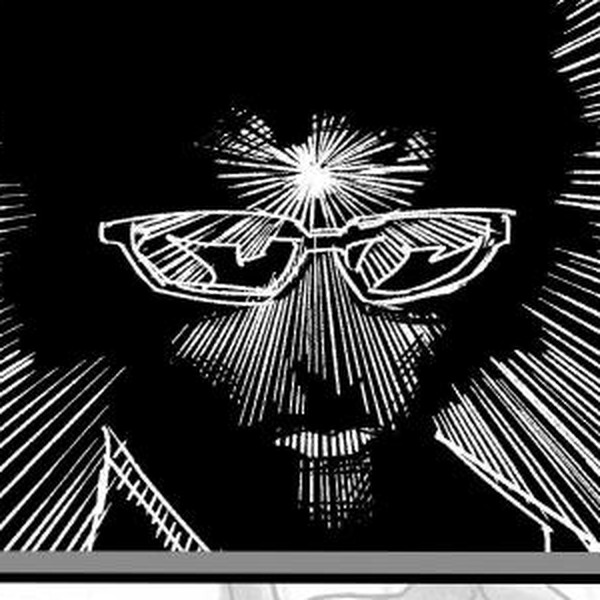
Valentino
Self — integration, wholeness, the one moving through the worlds.
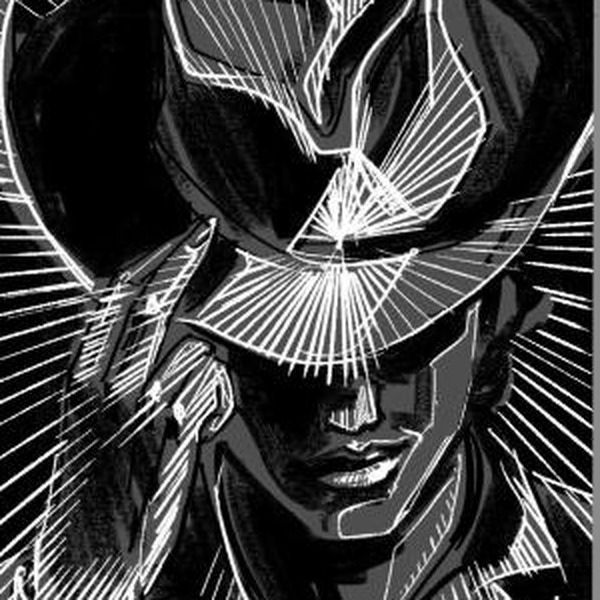
Zora
Shadow — the bill you owe, the part that refuses to stay buried.
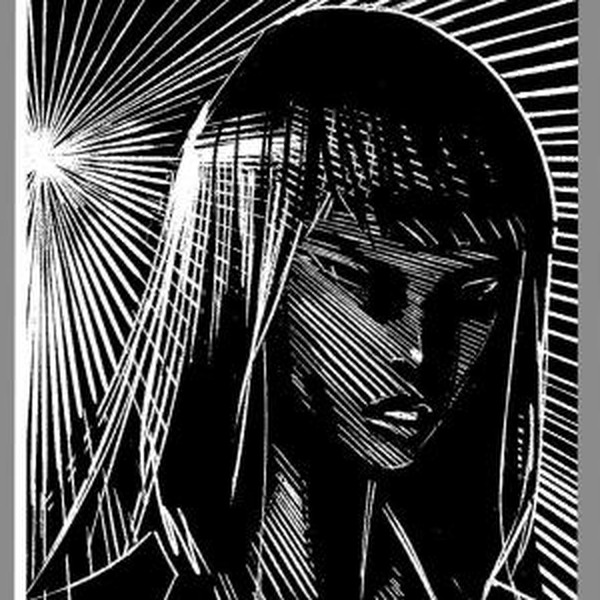
Zero
Anima — relationship, disruption, emotional depth, catalytic change.
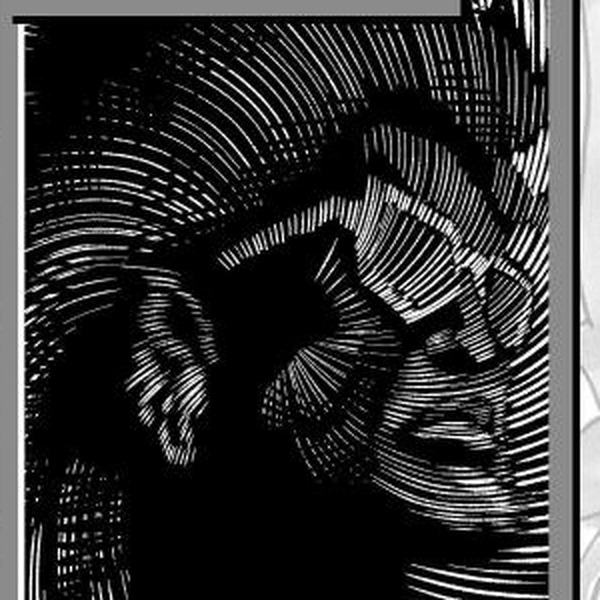
Professor
Ego — brilliance, control, skepticism, and the limits of rational mastery.
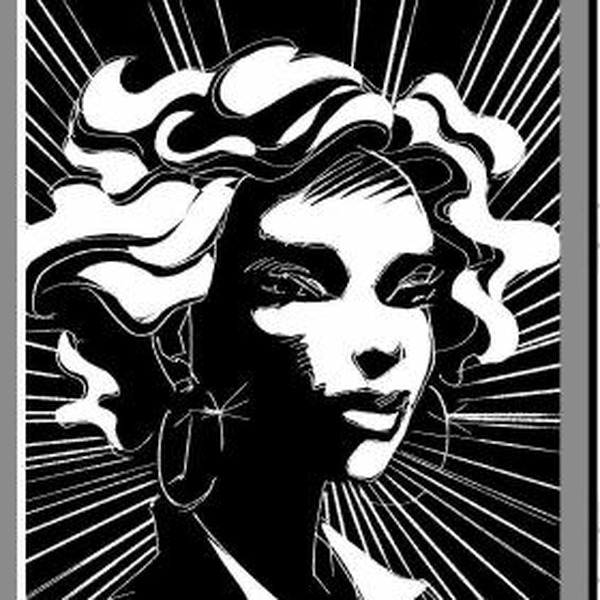
Qua
Innocence — sincerity, vulnerability, moral clarity, the unguarded heart.
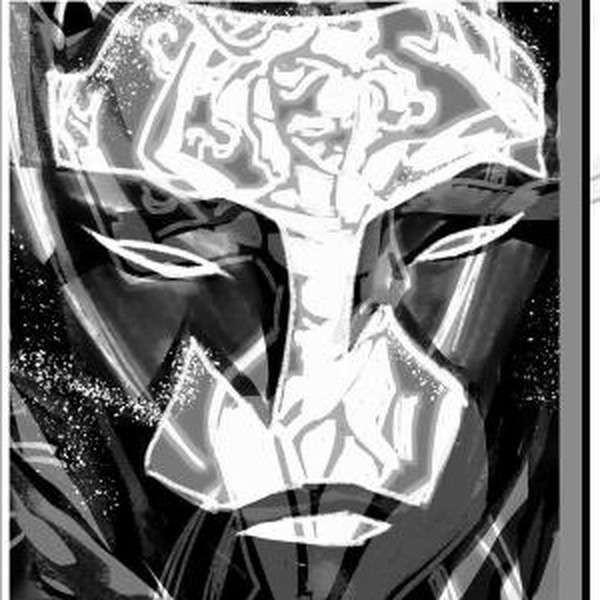
Azazel
Outlaw — forbidden knowledge, rupture, revelation, transformation.
A love story. A conspiracy. A cosmic joke. An initiation.
The narrative gives metaphysical and psychological questions somewhere to live. Rather than present doctrine directly, Ancient Futures lets ideas emerge through images, encounters, conflict, humor, and strange beauty.

The world became a method.
The contemplative-studies paper reframed Ancient Futures as more than a creative artifact: an emerging system whose practices cultivate attention, imagination, surrender, insight, and intuitive discernment.
Movement meditation
Rhythm, solitude, and motion as conditions for attention and symbolic perception.
Active imagination
Inner figures become interlocutors — mirrors, challengers, guides, and teachers.
Initiatory surrender
Transformation begins where control gives way to vulnerability and unknowing.
Ego dissolution
Identity loosens enough for consciousness to become aware of its own operations.
Oracle inquiry
Archetypal images become prompts for intuition, dialogue, symbolic interpretation, and reflection.
Not one artifact. A world with multiple doors.
Graphic novel. Oracle deck. Sound. Prints. Public readings. Community encounters. Each form extends the same symbolic world into a different mode of participation.

From story world to shared culture.
Ancient Futures moved into public space through convention encounters, readers, conversation, and physical presence. These are not mockups — they are photographs from the C2E2 Ancient Futures archive.
Ancient Futures became a way of re-mythologizing life — turning lived experience into symbolic form, then allowing that symbolic world to reshape the life that created it.